
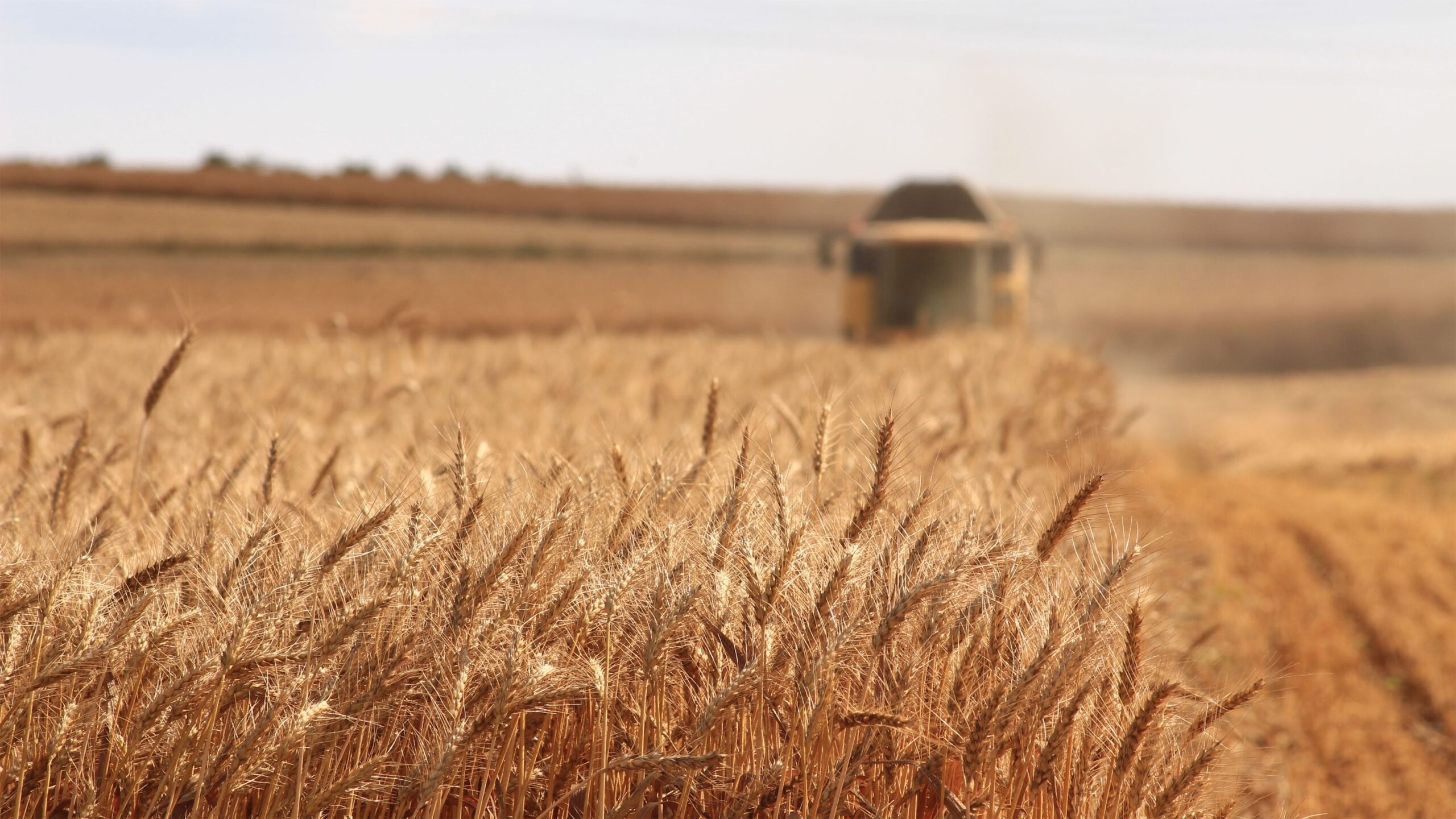
For years, Poland has played a key role in the European food market, combining traditional production methods with modern technologies.
Food cooperatives: the foundation of Polish exports
The goal of these organizations is to jointly manage the production, marketing and distribution of foodstuffs, thereby achieving economies of scale and improving product quality. Dairy cooperatives are the most rapidly developing in Poland, but there are also other forms of cooperatives involved in the production of meat, grains, fruits, vegetables, as well as agricultural processing.
By integrating producers at the local level, food cooperatives ensure price stability and availability of products on the market. The cooperation of farmers allows for better organization of production, as well as investment in modern technologies that increase production quality and efficiency. In addition, cooperatives often offer their members extensive technological assistance and advice on crops and breeding, enabling them to better adapt to market demands. They are an important part of the supply chain, ensuring high quality products and stability of supply.
In the context of exports, cooperatives provide a strong basis for building brands that gain recognition not only in Poland, but also in international markets. An example is the success of Polish dairy products, which are in high demand in Europe, especially in Germany, France and the UK. Cooperatives, operating based on the principles of cooperation and solidarity, can achieve considerable negotiating power in international markets, which allows for better sales conditions and more favorable contracts.
Through their activities, food cooperatives contribute to the stabilization of the Polish agri-food sector, improving the profitability of agricultural production and supporting local communities. The activities of these organizations are also an example of how cooperation within the agri-food sector can bring benefits not only locally, but also globally.
Record agri-food exports in 2023
The year 2023 proved to be a landmark year for Polish food exports. The value of exports reached a record high of 51.8 billion euros (236 billion zlotys), an increase of 8.1% compared to the previous year. This result was possible thanks to a wide range of products that won the appreciation of consumers abroad. The largest revenues came from exports of meat and meat products, which have been the hallmark of the Polish food industry for years. Dairy products, cereals, fruits and vegetables, and processed fruit and vegetables were also important sources of revenue.
Poland maintained its strong position in the European Union markets, which account for 73% of the total value of exports. Germany, France, the Netherlands and Italy were the largest recipients of Polish food. Exports to these countries not only strengthen economic relations with our partners, but also testify to the high quality and competitiveness of Polish products.
Importantly, a significant increase in exports was also recorded in non-European markets. Polish products have found their way to tables in China, the United Arab Emirates and North African countries. These markets, although still relatively undeveloped in the context of Polish exports, are becoming increasingly important thanks to the growing demand for high-quality food.
The record results in agree-food exports were achieved due to the cooperation of many sectors – from farmers to processors to foreign trade support institutions. This success was also made possible by the use of modern technologies in production and processing, which allowed for increased efficiency and product quality while maintaining competitive prices. In the face of growing pressure for food security and sustainability, Poland is showing that it is possible to combine innovation with care for tradition and the environment.
Cover photo: www.poradnikbiznesu.info