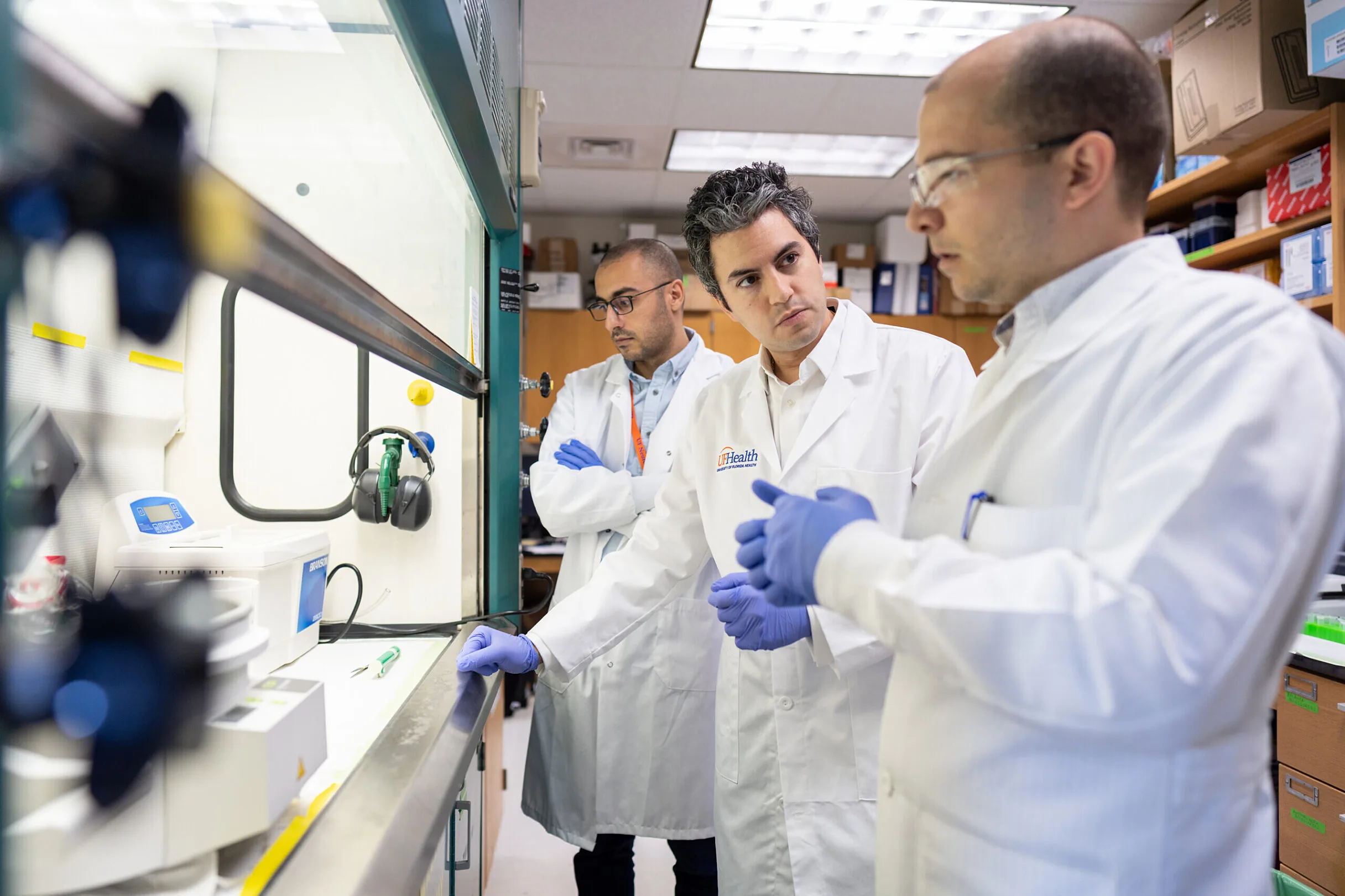
Scientists at the University of Florida have developed an experimental mRNA vaccine that significantly enhanced the effect of cancer immunotherapy in mouse models. The results, published in the prestigious journal Nature Biomedical Engineering, represent an important step toward the creation of a universal cancer vaccine capable of “awakening” the immune system and directing it against various types of cancer.
The research team led by Dr. Elias Sayour, a pediatric oncologist and professor at the University of Florida, achieved promising results by combining the developed mRNA vaccine with immunotherapeutic drugs from the group of checkpoint inhibitors. This combination worked like a “one-two punch” — first stimulating the immune system and then increasing the tumor’s susceptibility to treatment.
Surprisingly, the effectiveness of the therapy did not result from targeting a specific tumor antigen. The researchers achieved results by stimulating the immune system to respond in a manner similar to fighting a viral infection. To this end, they stimulated the expression of the PD-L1 protein within the tumors, making them more sensitive to immunotherapy.
The researchers’ innovative approach involves the use of a “general” mRNA vaccine that is not targeted at a specific cancer but is designed to strongly stimulate the immune system. This technology is derived from solutions used in COVID-19 vaccines, but in this case, it does not focus on the virus spike protein, but on strengthening the body’s immune response.
In studies on mouse models of melanoma and skin, bone, and brain cancers, the combination of the mRNA vaccine with a PD-1 inhibitor led to a significant reduction in tumor growth and, in some cases, to their complete elimination. What is more, in selected cancer models, efficacy was also observed with the vaccine alone, without additional therapy.
The vaccine is currently in the preclinical stage, and scientists are planning further improvements and preparations for clinical trials involving patients.