
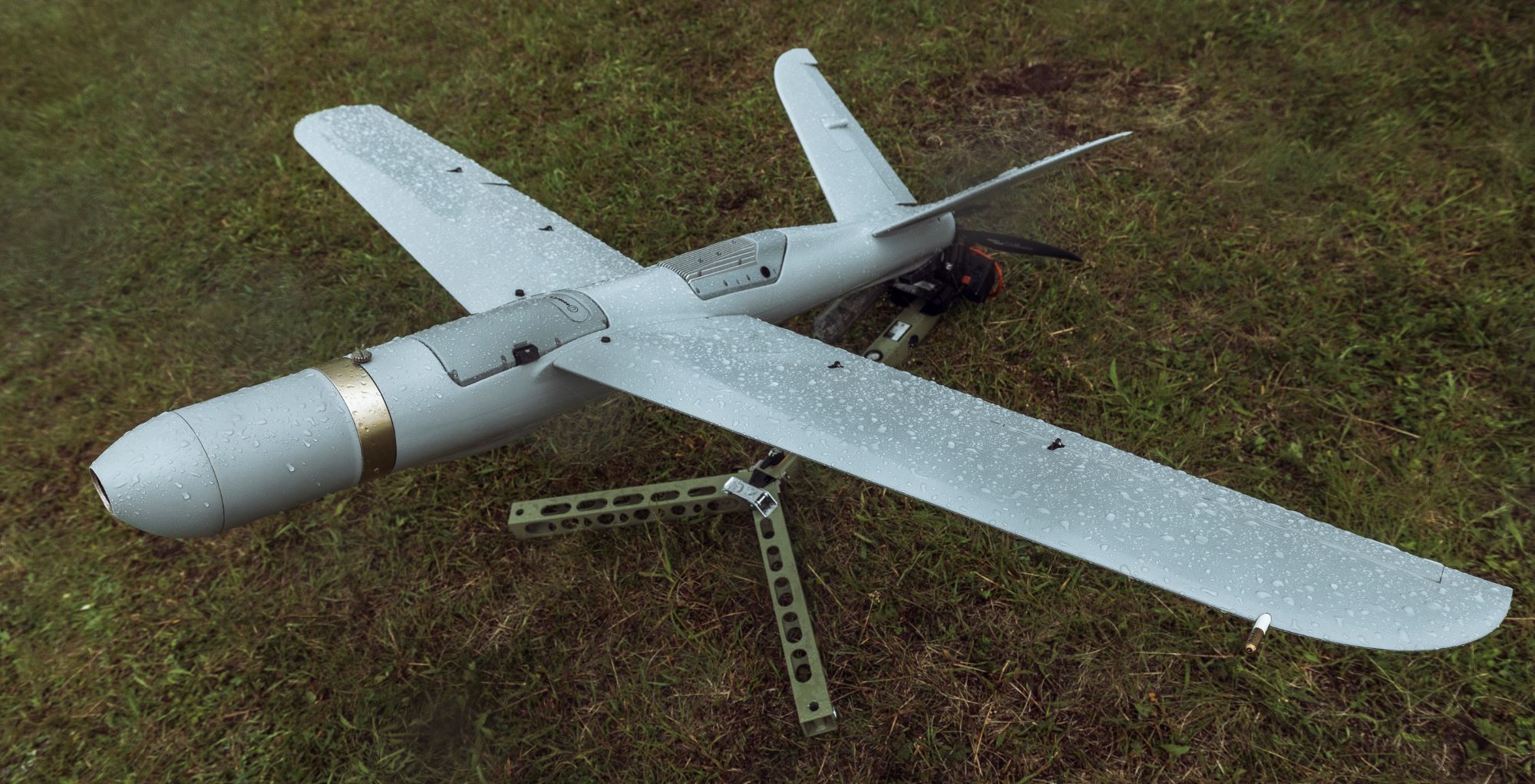
The WARMATE loitering munition system, developed by the Polish company WB Group, has been officially recognized by NATO as a model in terms of modular warhead design. This means that the emerging STANAG standard on loitering munitions will incorporate solutions applied in this system—primarily the ability to flexibly select the warhead according to the specifics of each mission.
WARMATE is an advanced combat drone that can be equipped with various types of warheads: training, fragmentation-explosive, shaped-charge, and anti-tank. Thanks to this flexibility, operators can tailor the armament to a specific operational target already during mission preparation.
NATO’s decision not only confirms the high level of Polish technology but also opens new export opportunities. From now on, only systems meeting the adopted standard will be eligible for NATO certification, significantly increasing WB Group’s competitiveness in the international market.
WB Group holds full rights to the technology—both to the drone itself and the warheads being developed. In October 2024, in cooperation with the Military Institute of Armament Technology (WITU), the company tested a new shaped-charge anti-tank warhead. The trials were conducted under varied atmospheric conditions, evaluating the effectiveness against armored targets. The results demonstrated high precision, even under challenging impact angles.
Source: defence24.pl, WB Group.