
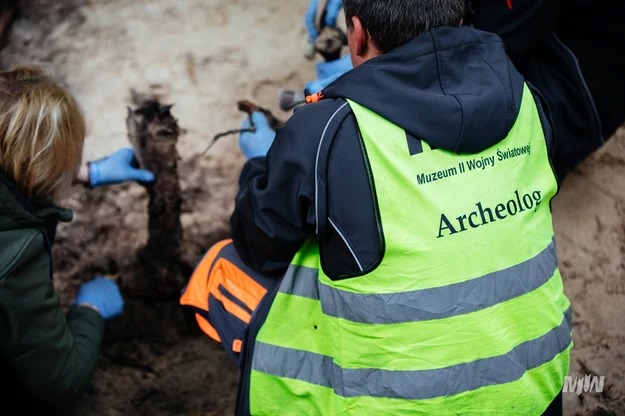
An extremely important discovery has been made at Westerplatte, a historic site associated with the outbreak of World War II. Three human skeletons that may date back to the conflict were found during archaeological work. Preliminary analysis suggests that they may be execution victims – Polish prisoners of the German camp. The discovery may provide new information about the tragic fate of Poland’s 1939 defenders.
The skeletons were located in an area that played a key role in the defense of Westerplatte. Archaeologists from the research team will further analyze the finds, hoping to identify them and better understand the historical context. This extremely valuable discovery can contribute to the commemoration of the victims and enrich knowledge of the events that took place at that time.
The remains have been carefully cleaned and their location carefully documented using photogrammetry, which will help to create three-dimensional models. They are currently being secured under the supervision of a prosecutor from the Institute of National Remembrance in Gdańsk. They will then be transported to the Pomeranian Medical University in Szczecin, where detailed anthropological, medical and genetic analyses will be carried out. These studies are expected to help establish the circumstances of death and the identity of the victims.
Archaeologists appeal for respect for the finds, stressing their importance to our national memory. Westerplatte, as a symbol of resistance, can look forward to a new chapter in its history, revealing the human dramas that took place on this land. We encourage you to follow the progress of the work and reflect on the history that these discoveries can help us better understand.

Photo by Agnieszka Stawrosiejko / source: www.muzeum1939.pl